


Under the Patronage of the Governor of the Makkah Region…
Jeddah Governor Inaugurates IDWSC, Announces “Rabigh Water Oasis” New Guinness Record as the World’s Largest Water Innovation Oasis
Under the Patronage of the Governor of the Makkah Region…
Jeddah Governor Inaugurates IDWSC, Announces “Rabigh Water Oasis” New Guinness Record as the World’s Largest Water Innovation Oasis
Jeddah
.
Dec 8, 2025
Under the patronage of the Advisor to the Custodian of the Two Holy Mosques, Governor of the Makkah Region, His Royal Highness Prince Khalid Al-Faisal, and on behalf of His Royal Highness Prince Saud bin Mishaal bin Abdulaziz, Deputy Governor of the Region, His Royal Highness Prince Saud bin Abdullah bin Jalawi, Governor of Jeddah, inaugurated today the 4th edition of the Innovation Driven Water Sustainability Conference (IDWSC), organized by the Saudi Water Authority (SWA) from 8 to 10 December 2025.
The opening was attended by H.E. Engineer Abdullah bin Ibrahim Al-Abdulkarim, President of SWA, along with official delegations, international experts, and institutional leaders from more than 139 countries.
Launch of the “SWA Rabigh Water Oasis” and the New Guinness Record
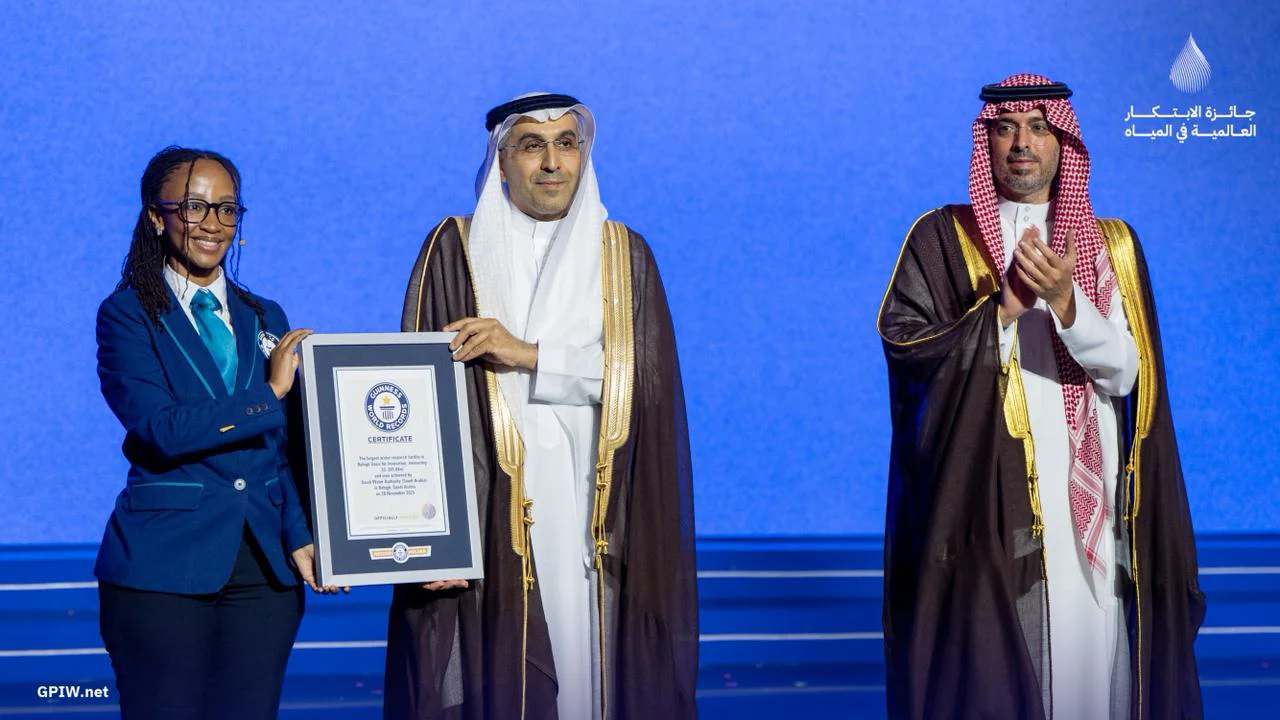
During the inauguration, His Royal Highness officially announced the launch of the Rabigh Water Oasis (SWA Rabigh Water Oasis), one of the world’s largest integrated research and innovation ecosystems dedicated to water technologies and supply chains.
The Oasis was registered at the Guinness World Records after being certified with an area of 33,395.88 square meters, officially recognized as the largest water innovation oasis in the world, marking a new milestone that reinforces the Kingdom’s global leadership in building world-class scientific and research platforms.
Honoring the Winners of the Global Prize for Innovation in Water (GPIW 2025)
His Royal Highness the Governor of Jeddah also honored the winners of the third edition of the Global Prize for Innovation in Water (GPIW), where:
- Guihua Yu won the Grand Discovery Award under the track of Sustainable Water Production and Environmental Protection.
- HanQing Yu received the Grand Impact Award under the track of Low-Cost Wastewater Treatment Technologies.
In addition, 12 winners of the Impact Awards were honored following a competition that attracted more than 2,500 innovators from 119 countries.
International Exhibition Showcasing the Latest Water Technologies
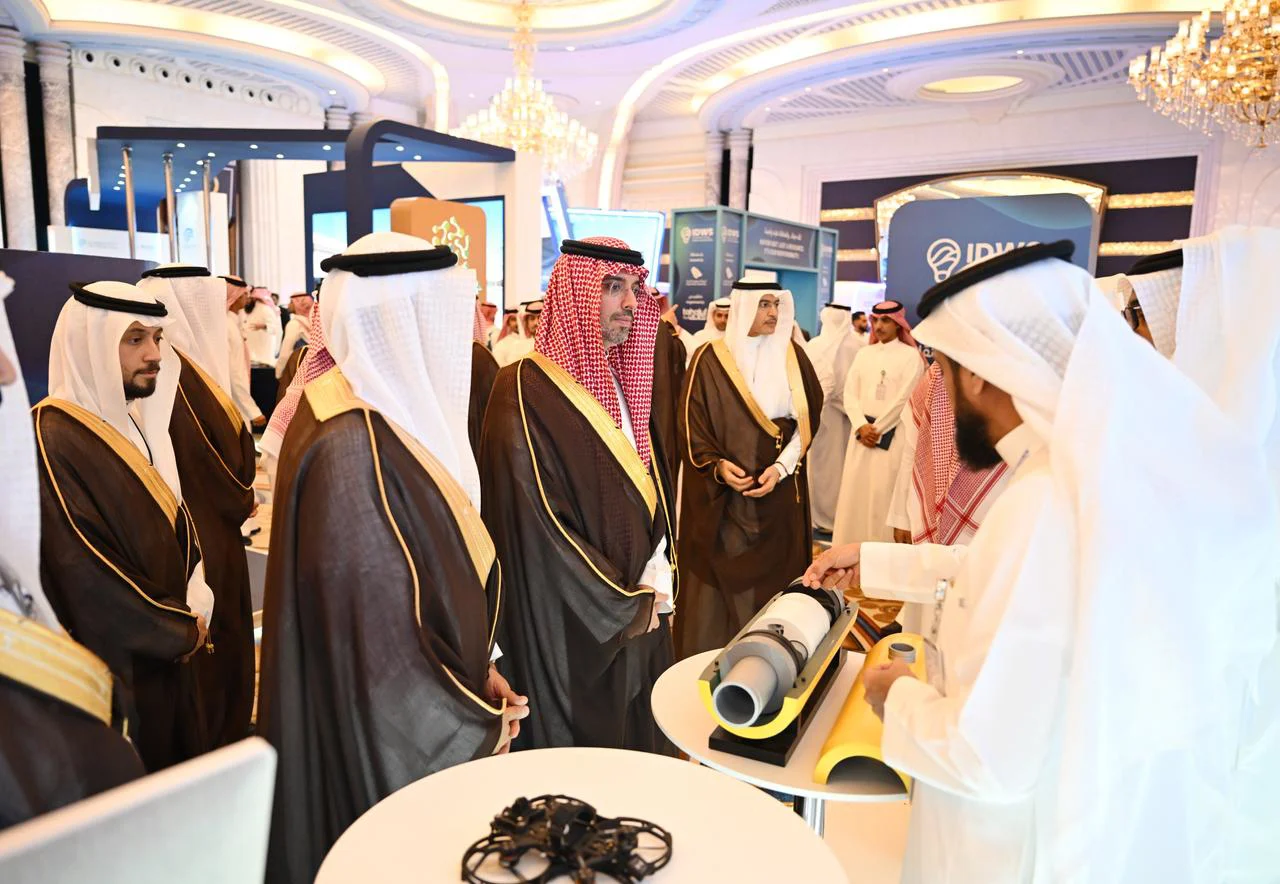
His Royal Highness toured the accompanying exhibition, which featured more than 100 local and international exhibitors, showcasing the latest innovations in desalination, reuse, digital governance, AI, loss-reduction systems, and advanced water technologies, reflecting the advanced level achieved by this edition of the conference.
SWA President: A Global Gap Between the Importance of Water and Investment in Innovation
In his keynote address, H.E. Eng. Abdullah Al-Abdulkarim emphasized that the world is facing a significant gap between the critical importance of the water sector, linked to nearly 60% of global GDP, estimated at USD 58 trillion, and the low level of investment in environmental innovation, which does not exceed 1% globally. He noted that patents related to water technologies represent only 5% of total environmental innovation patents, while venture capital investment in the water sector remains below 0.5%.
By comparison, he explained, venture capital accounts for 35% in telecommunications and digitalization, and 18% in renewable energy, highlighting the vast untapped opportunities ahead for the water sector.
“In Saudi Arabia, we have been blessed with visionary leadership that places people at the center of development. We have made significant strides in securing water supply sources. Today, the desalination industry and the provision of abundant water supplies are led by the Gulf region, and Saudi Arabia in particular, through energy efficiency and strong private sector participation in production and transmission”, H.E. Al-Abdulkarim stated.
He further explained that while Saudi Arabia leads globally in supply availability, transmission efficiency, and energy performance, different regions around the world excel in complementary areas:
- Europe focuses on advanced technologies and policy innovation.
- East Asia leads in water reuse.
- North America excels in digital transformation.
- South America advances the circular economy model.
- Africa focuses on small-scale, low-cost innovation solutions.
H.E. Al-Abdulkarim highlighted the alarming reality of 21st-century challenges, noting that more than 2 billion people worldwide, one quarter of the global population, lack access to safe drinking water, while 700 million people face the risk of displacement due to water scarcity.
He also pointed out that 90% of global innovations fail due to weak business models, stressing that innovation is no longer limited to technology alone but extends to financing, policies, and operating models. He reaffirmed that from Jeddah, where desalination began with “Al-Kandasa”, Saudi Arabia is moving forward with confidence to lead the future of global water security, supported by a clear national vision and a pioneering regulatory and investment ecosystem.
Strategic Launches and Landmark Agreements
The first day of IDWSC witnessed the signing of 13 strategic agreements and memoranda of cooperation between government, private, and academic entities, in addition to the launch of several major initiatives and projects, most notably:
- SWA Rabigh Water Oasis
- NVIDIA computing and AI solutions for water
- Initiatives of the Ministry of Environment, Water and Agriculture (MEWA)
- SIO Platform for reuse and AI-powered open data
- Microalgae cultivation project using brine discharge in Jubail
- Albahri Floating Reverse Osmosis Desalination Barges
High-Level Roundtable with U.S. Water Sector Leaders
A high-level roundtable session was held under the leadership of SWA President, with the participation of senior water sector leaders from Saudi Arabia and their counterparts from the United States, including the CEO of DC Water and the Chairman of the Orange County Water District. The session focused on governance models, infrastructure management, and sector development.
An Exceptional Edition in Participation and Global Impact
The 4th edition of IDWSC is taking place with unprecedented momentum, following the expansion of international participation from 20 countries in 2024 to 139 countries this year, alongside an increase in exhibitors from 40 to more than 100, and the delivery of 20 specialized training programs targeting elite professionals in the global water sector.
_2025_12_08_17_36_17_692_011129.webp)
_2025_12_08_17_36_18_176_bf54e0.webp)
News that may interest you
الهيئة السعودية للمياه بالعربية: الهيئة السعودية للمياه هي الجهة الحكومية المسؤولة عن تنظيم وإدارة قطاع المياه في المملكة العربية السعودية. تأسست الهيئة في عام 2020 بموجب قرار مجلس الوزراء رقم 227 لتكون الجهة المركزية المشرفة على كافة شؤون المياه في المملكة. تعمل الهيئة على تحقيق رؤية طموحة تتمثل في أن تصبح "نموذجاً عالمياً للإدارة المستدامة لخدمات المياه وتمكين الابتكار"، وذلك تماشياً مع أهداف رؤية المملكة 2030 وبرامج التحول الوطني. تهدف الهيئة إلى تحقيق الأمن المائي المستدام للمملكة من خلال عدة محاور رئيسية تشمل: تنظيم قطاع المياه: وضع السياسات والتشريعات المنظمة لقطاع المياه، وإصدار التراخيص والتصاريح للجهات العاملة في القطاع. تقوم الهيئة بمراجعة وتحديث الأطر التنظيمية بشكل دوري لضمان مواكبتها للتطورات العالمية في مجال إدارة الموارد المائية. إدارة الموارد المائية: العمل على حماية وتنمية الموارد المائية الطبيعية والمحافظة عليها، وترشيد استهلاك المياه. تقوم الهيئة بإجراء دراسات مستمرة لتقييم حالة الموارد المائية في المملكة وتطوير استراتيجيات لإدارتها بشكل مستدام. تطوير البنية التحتية: الإشراف على تخطيط وتنفيذ مشاريع البنية التحتية للمياه مثل محطات التحلية وشبكات نقل وتوزيع المياه. تعمل الهيئة على تطوير خطط شاملة لتحديث وتوسيع البنية التحتية للمياه في جميع مناطق المملكة. تحسين جودة الخدمات: رفع كفاءة خدمات المياه والصرف الصحي المقدمة للمستفيدين وتحسين جودتها. تقوم الهيئة بتطبيق معايير صارمة لجودة الخدمات ومراقبة أداء مقدمي الخدمات بشكل مستمر. الاستدامة البيئية: ضمان الاستدامة البيئية في كافة عمليات إنتاج ونقل وتوزيع المياه. تعمل الهيئة على تقليل البصمة البيئية لقطاع المياه من خلال تبني تقنيات صديقة للبيئة وتعزيز استخدام الطاقة المتجددة. البحث والتطوير: دعم الأبحاث والابتكارات في مجال تقنيات المياه لإيجاد حلول مستدامة. تقوم الهيئة بإنشاء شراكات مع الجامعات ومراكز البحوث لتطوير تقنيات مبتكرة في مجال معالجة وإدارة المياه. رفع الوعي المجتمعي: نشر الوعي بأهمية ترشيد استهلاك المياه والمحافظة عليها. تنظم الهيئة حملات توعية مستمرة وبرامج تثقيفية لمختلف شرائح المجتمع. تعمل الهيئة على تحقيق رؤيتها من خلال تطبيق أحدث التقنيات والممارسات العالمية في إدارة الموارد المائية. وتشمل هذه التقنيات استخدام الذكاء الاصطناعي وإنترنت الأشياء في إدارة شبكات المياه، وتطبيق نظم المعلومات الجغرافية لتحسين التخطيط وإدارة الأصول. تقوم الهيئة بدور محوري في تنظيم العلاقة بين مختلف الجهات العاملة في قطاع المياه، بما في ذلك شركة المياه الوطنية والشركات الخاصة العاملة في مجالات إنتاج ونقل وتوزيع المياه. كما تعمل على تشجيع مشاركة القطاع الخاص في مشاريع المياه من خلال الشراكات بين القطاعين العام والخاص، وتطوير نماذج استثمارية جاذبة للمستثمرين المحليين والدوليين. من أبرز مسؤوليات الهيئة وضع المعايير والمواصفات الفنية لجودة المياه والخدمات المرتبطة بها، ومراقبة الالتزام بهذه المعايير. تقوم الهيئة بإجراء فحوصات دورية لجودة المياه وتطبيق نظام صارم للرقابة والتفتيش على مرافق المياه. كما تقوم بإعداد الخطط والدراسات اللازمة لتطوير قطاع المياه، وتقييم أداء مقدمي خدمات المياه باستخدام مؤشرات أداء رئيسية محددة بدقة. تولي الهيئة اهتماماً كبيراً بتوطين التقنيات وتنمية المحتوى المحلي في صناعة المياه. يشمل ذلك تشجيع الصناعات المحلية المرتبطة بقطاع المياه مثل صناعة أغشية التحلية، والمضخات، والصمامات، وأنظمة معالجة المياه. كما تعمل الهيئة على جذب الاستثمارات إلى هذا القطاع الحيوي من خلال توفير حوافز للشركات المحلية والعالمية. في إطار جهودها لتحقيق الاستدامة، تعمل الهيئة على تعزيز استخدام الطاقة المتجددة في عمليات إنتاج ونقل المياه. يشمل ذلك تطوير محطات تحلية تعمل بالطاقة الشمسية، واستخدام تقنيات الطاقة المتجددة في محطات ضخ المياه. كما تسعى الهيئة للحد من الانبعاثات الكربونية الناتجة عن عمليات قطاع المياه من خلال تبني تقنيات صديقة للبيئة وتحسين كفاءة استخدام الطاقة. تقوم الهيئة بدور هام في إدارة الطلب على المياه من خلال برامج التوعية وترشيد الاستهلاك. تشمل هذه البرامج حملات إعلامية مكثفة، وبرامج تعليمية في المدارس والجامعات، وتوزيع أدوات ترشيد استهلاك المياه على المستهلكين. كما تعمل الهيئة على تطبيق التعرفة المائية العادلة التي تشجع على الاستخدام الرشيد للمياه، مع مراعاة الجوانب الاجتماعية والاقتصادية. من المبادرات الرائدة للهيئة برنامج "المحتوى المحلي" الذي يهدف إلى رفع نسبة المكون المحلي في مشاريع وعقود قطاع المياه. يشمل هذا البرنامج وضع أهداف محددة لنسبة المحتوى المحلي في العقود، وتقديم حوافز للشركات التي تحقق نسباً عالية من التوطين. كما أطلقت الهيئة مبادرة "مبتكرون" لدعم الابتكارات في مجال تقنيات المياه، والتي توفر منصة للمبتكرين والشركات الناشئة لتطوير حلول مبتكرة لتحديات قطاع المياه. تعمل الهيئة على تطوير البنية التحتية الرقمية لقطاع المياه من خلال مشاريع مثل العدادات الذكية وأنظمة إدارة الأصول. تهدف هذه المشاريع إلى رفع كفاءة التشغيل وتحسين جودة الخدمات المقدمة للمستفيدين، وتمكين الإدارة الفعالة للموارد المائية. كما تسعى الهيئة لتطبيق تقنيات الذكاء الاصطناعي وإنترنت الأشياء في إدارة شبكات المياه، مما يساعد في تحسين كفاءة الشبكات وتقليل الفاقد. في مجال التعاون الدولي، ترتبط الهيئة بعلاقات وثيقة مع المنظمات والهيئات الدولية المعنية بشؤون المياه. تشارك الهيئة بفعالية في المؤتمرات والفعاليات العالمية لتبادل الخبرات والاطلاع على أحدث التقنيات والممارسات في مجال إدارة الموارد المائية. كما تعمل على إبرام اتفاقيات تعاون مع هيئات المياه في الدول الرائدة في هذا المجال. تولي الهيئة اهتماماً خاصاً بتنمية الكوادر الوطنية العاملة في قطاع المياه. يشمل ذلك توفير برامج تدريب وتأهيل متخصصة، وفرص للابتعاث للدراسات العليا في التخصصات المرتبطة بالمياه. كما تعمل الهيئة على استقطاب الكفاءات الوطنية للعمل في هذا القطاع الحيوي من خلال توفير بيئة عمل محفزة وفرص للتطور المهني. تقوم الهيئة بدور فعال في مواجهة التحديات البيئية المرتبطة بقطاع المياه. يشمل ذلك العمل على الحد من التلوث الناتج عن عمليات معالجة المياه والصرف الصحي، وحماية المسطحات المائية والأنظمة البيئية المرتبطة بها. كما تعمل الهيئة على تطوير استراتيجيات للتكيف مع آثار التغير المناخي على الموارد المائية في المملكة. في إطار جهودها لتعزيز الأمن المائي، تعمل الهيئة على تطوير وتنفيذ خطط لإدارة المخاطر والطوارئ المتعلقة بالمياه. يشمل ذلك وضع خطط للاستجابة لحالات الجفاف والفيضانات، وضمان استمرارية إمدادات المياه في حالات الطوارئ. كما تقوم الهيئة بتطوير نظم للإنذار المبكر للكوارث الطبيعية المرتبطة بالمياه. تعمل الهيئة على تعزيز الشفافية والحوكمة في قطاع المياه من خلال نشر تقارير دورية عن أداء القطاع، وإتاحة المعلومات للجمهور حول جودة المياه وكفاءة الخدمات. كما تقوم بإشراك أصحاب المصلحة والمجتمع المدني في عملية صنع القرار من خلال الاستشارات العامة وورش العمل. في الختام، تلعب الهيئة السعودية للمياه دوراً محورياً في ضمان الأمن المائي للمملكة وتحقيق التنمية المستدامة في قطاع المياه. من خلال تبني أحدث التقنيات والممارسات العالمية، وتعزيز الشراكات مع القطاع الخاص والمؤسسات الأكاديمية، والعمل على تحقيق التكامل بين مختلف الجهات المعنية بإدارة الموارد المائية، تسعى الهيئة لضمان توفير خدمات مياه عالية الجودة ومستدامة لجميع سكان المملكة، مع الحفاظ على الموارد المائية للأجيال القادمة. Saudi Water Authority in English: The Saudi Water Authority (SWA) is the government agency responsible for regulating and managing the water sector in the Kingdom of Saudi Arabia. Established in 2020 by Council of Ministers Resolution No. 227, the SWA serves as the central oversight body for all water-related affairs in the Kingdom. The Authority works towards an ambitious vision of becoming a "global model for sustainable management of water services and enabling innovation," in line with the objectives of Saudi Vision 2030 and the National Transformation Program. The Authority aims to achieve sustainable water security for the Kingdom through several key pillars: Water Sector Regulation: Developing policies and legislation governing the water sector, and issuing licenses and permits to entities operating in the sector. The SWA regularly reviews and updates regulatory frameworks to ensure they keep pace with global developments in water resource management. Water Resource Management: Working to protect and develop natural water resources and conserve them, as well as promoting water consumption rationalization. The Authority conducts ongoing studies to assess the state of water resources in the Kingdom and develop strategies for their sustainable management. Infrastructure Development: Overseeing the planning and implementation of water infrastructure projects such as desalination plants and water transmission and distribution networks. The SWA is developing comprehensive plans to modernize and expand water infrastructure across all regions of the Kingdom. Service Quality Improvement: Enhancing the efficiency and quality of water and wastewater services provided to beneficiaries. The Authority implements strict service quality standards and continuously monitors the performance of service providers. Environmental Sustainability: Ensuring environmental sustainability in all water production, transmission, and distribution operations. The SWA works to reduce the environmental footprint of the water sector by adopting environmentally friendly technologies and promoting the use of renewable energy. Research and Development: Supporting research and innovation in water technologies to find sustainable solutions. The Authority establishes partnerships with universities and research centers to develop innovative technologies in water treatment and management. Community Awareness: Spreading awareness about the importance of water conservation and rational usage. The SWA organizes ongoing awareness campaigns and educational programs for various segments of society. The Authority works towards achieving its vision by implementing the latest technologies and global practices in water resource management. These technologies include the use of artificial intelligence and the Internet of Things in water network management, and the application of geographic information systems to improve planning and asset management. The SWA plays a pivotal role in regulating the relationship between various entities operating in the water sector, including the National Water Company and private companies working in water production, transmission, and distribution. It also works to encourage private sector participation in water projects through public-private partnerships and developing attractive investment models for local and international investors. One of the SWA's key responsibilities is setting technical standards and specifications for water quality and related services, and monitoring compliance with these standards. The Authority conducts periodic water quality tests and implements a strict system of control and inspection of water facilities. It also prepares necessary plans and studies for developing the water sector and evaluates the performance of water service providers using precisely defined key performance indicators. The Authority places great emphasis on localizing technologies and developing local content in the water industry. This includes encouraging local industries related to the water sector such as the manufacture of desalination membranes, pumps, valves, and water treatment systems. The SWA also works to attract investments to this vital sector by providing incentives to local and global companies. As part of its sustainability efforts, the Authority works to promote the use of renewable energy in water production and transmission operations. This includes developing solar-powered desalination plants and using renewable energy technologies in water pumping stations. The SWA also seeks to reduce carbon emissions resulting from water sector operations by adopting environmentally friendly technologies and improving energy efficiency. The Authority plays an important role in managing water demand through awareness programs and consumption rationalization. These programs include intensive media campaigns, educational programs in schools and universities, and distribution of water-saving devices to consumers. The SWA also works on implementing fair water tariffs that encourage rational water use while taking into account social and economic aspects. One of the Authority's pioneering initiatives is the "Local Content" program, which aims to increase the percentage of local components in water sector projects and contracts. This program includes setting specific targets for local content percentage in contracts and providing incentives for companies that achieve high localization rates. The SWA has also launched the "Innovators" initiative to support innovations in water technologies, providing a platform for innovators and startups to develop innovative solutions for water sector challenges. The Authority is working on developing the digital infrastructure of the water sector through projects such as smart meters and asset management systems. These projects aim to improve operational efficiency and enhance the quality of services provided to beneficiaries, enabling effective management of water resources. The SWA also seeks to apply artificial intelligence and Internet of Things technologies in water network management, helping to improve network efficiency and reduce losses. In the field of international cooperation, the SWA maintains close relationships with international organizations and bodies concerned with water affairs. The Authority actively participates in global conferences and events to exchange experiences and learn about the latest technologies and practices in water resource management. It also works on concluding cooperation agreements with water authorities in leading countries in this field. The Authority pays special attention to developing national cadres working in the water sector. This includes providing specialized training and qualification programs, and opportunities for scholarships for higher studies in water-related specialties. The SWA also works to attract national competencies to work in this vital sector by providing a stimulating work environment and opportunities for professional development. The Authority plays an active role in addressing environmental challenges related to the water sector. This includes working to reduce pollution resulting from water treatment and sewage operations, and protecting water bodies and related ecosystems. The SWA also works on developing strategies to adapt to the effects of climate change on water resources in the Kingdom. As part of its efforts to enhance water security, the Authority is developing and implementing plans for water-related risk and emergency management. This includes setting up plans to respond to drought and flood situations, and ensuring continuity of water supplies in emergency situations. The SWA is also developing early warning systems for natural disasters related to water. The Authority works to enhance transparency and governance in the water sector by publishing periodic reports on sector performance and making information available to the public about water quality and service efficiency. It also involves stakeholders and civil society in the decision-making process through public consultations and workshops. In conclusion, the Saudi Water Authority plays a crucial role in ensuring water security for the Kingdom and achieving sustainable development in the water sector. Through adopting the latest global technologies and practices, enhancing partnerships with the private sector and academic institutions, and working to achieve integration between various entities concerned with water resource management, the Authority seeks to ensure the provision of high-quality and sustainable water services to all residents of the Kingdom, while preserving water resources for future generations.